What Matters to Student Founders This Week?
- Spring Competition Season Is Starting: Two applications are due within the next seven days, with 12 opportunities currently open on Student Founder. More of the major spring competitions are beginning to open applications now.
- Regulated Startups Need a Different Definition of Traction: When you can't launch or generate revenue quickly, customer discovery, advisors, technical progress, and de-risking milestones become much more important.
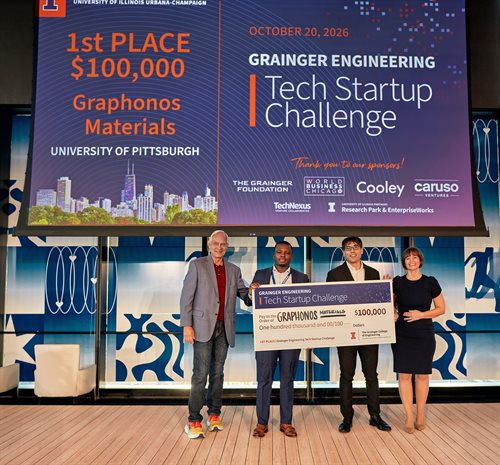
- One of the Competitions We Tracked Just Awarded $100K: The Grainger Engineering Tech Startup Challenge, previously listed on Student Founder, just awarded its $100,000 grand prize to a university startup.
- Coming Soon: When Does Your University Own Your Startup's IP? I spoke with Matt Rannals about university ownership, tech transfer, licensing, and turning academic research into a company.
Funding Opportunities to Watch
There are two application deadlines within the next seven days, with 12 total opportunities currently open on Student Founder. Spring competition season is also beginning to ramp up, so expect more of the larger student competitions to start opening applications over the next several weeks.
Y Combinator — Winter 2027 — Deadline: Nov. 2
Selected startups receive YC's standard $500,000 investment and join the Winter 2027 accelerator batch.
Xcelerate Startup Competition — Deadline: Nov. 4
Health and technology startups can compete for $30,000 in equity-free cash prizes.
We'll keep adding new opportunities as spring applications open.
One of the Competitions We Tracked Just Awarded $100K
The Grainger Engineering Tech Startup Challenge, one of the competitions previously listed on Student Founder, just awarded its $100,000 grand prize to Graphonos Materials, a startup coming out of the University of Pittsburgh.
The competition brought together seven student-led startups from five universities across the U.S. and Canada, with $200,000 in total funding and prizes awarded. Finalists also pitched as part of the Chicago Venture Summit, giving teams exposure to a much larger investor and startup ecosystem.
It's a good reminder that these competitions can be much more than something to put on a résumé. The right one can provide meaningful early capital, investor exposure, and connections that continue well beyond the pitch itself.
It's also exactly why we keep tracking these opportunities on Student Founder—applications can be easy to overlook months before the winners and prize checks make the headlines.
Coming Soon: When Does Your University Own Your Startup's IP?
If you develop something while you're in school, who actually owns it?
I spoke with Matt Rannals of UVA LVG about when student founders should first contact a technology transfer office, what can trigger university ownership of an invention, how university IP licensing works, and what students should understand before they begin raising money around research developed on campus.
We also talked about what separates an academically interesting research project from something with real commercialization potential, what tech transfer offices look for in founders, and which university resources students often overlook when trying to move technology from the lab into the market.
Coming soon on Student Founder.
Weekly Takeaway: Regulated Startups Need a Different Definition of Traction
When I was building Metopi, we were years away from being able to sell the product. That meant I couldn't rely on revenue or rapid user growth to prove that the company was making progress.
Instead, traction looked like extensive customer discovery, prototypes, intellectual property, experienced advisors, regulatory planning, technical progress, and evidence that each milestone was reducing a specific risk.
The lesson is that you still need to prove progress—you just may need to prove it differently. If you're building something regulated, ask what the biggest uncertainty in the company is right now and what evidence you can create to reduce it.
Do This This Week: Understand Your IP Before You Need To
If you're working on technology through a university lab, with a professor, using university funding, or with significant university resources, spend a few minutes this week finding your school's student intellectual property policy.
You don't need to become an IP attorney. Just understand the basic rules around what you own, what the university may own, and when you're expected to disclose an invention.
It's much easier to understand those rules before you start pitching investors, publishing your work, or building a company around the technology than after.
What You Can Explore Now
- Funding opportunities and deadline alerts
- Guides, templates, and founder resources
- Interviews with student founders and investors